
Customizing fan speed through advanced PWM Pulse Width Modulation and DC control methods provides an efficient and flexible way to manage thermal environments in electronic systems. PWM control adjusts the fan speed by varying the duty cycle of the voltage supplied, effectively switching the power on and off at a rapid pace. This allows precise regulation of the fan’s rotation speed without the inefficiencies that come with varying voltage levels directly. DC control, on the other hand, varies the voltage supplied to the fan motor continuously, which can be simpler but sometimes less efficient and less precise compared to PWM. Together, these methods offer complementary options to optimize cooling based on system requirements. One of the key advantages of PWM control is its ability to maintain a constant voltage level while modulating the fan speed. This means that even at low speeds, the fan receives a full voltage pulse, reducing the chances of stalling or unstable operation.
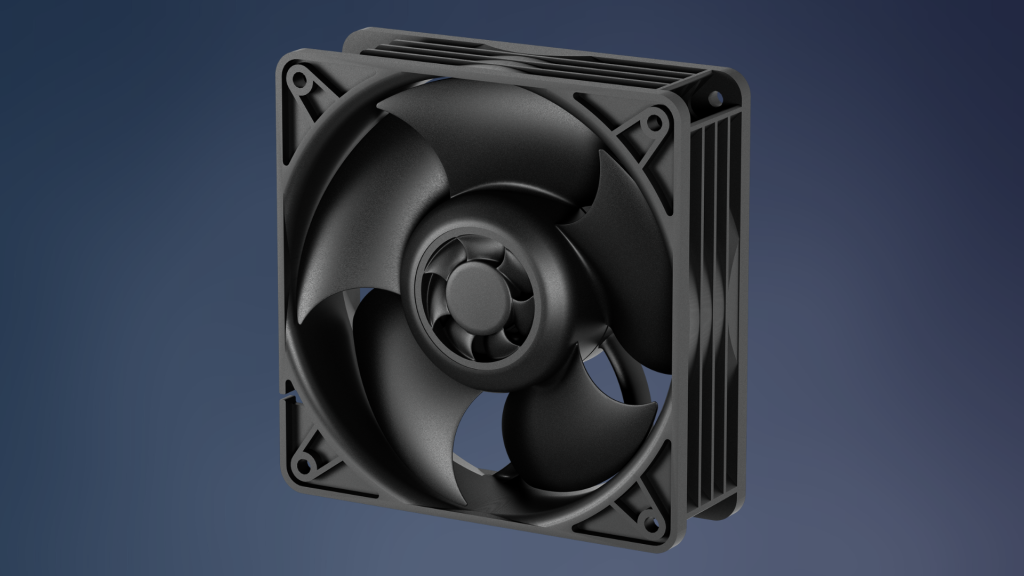
Additionally, PWM fans tend to produce less electrical noise and heat because the switching elements dissipate less power compared to linear voltage adjustments. This is particularly important in compact systems where heat buildup can affect the performance and longevity of other components. By fine-tuning the PWM duty cycle, users can balance noise levels and cooling efficiency effectively. DC control offers a straightforward approach by reducing the voltage supplied to the fan, which directly slows down the motor speed. This pwm vs dc fan method is often easier to implement in basic setups since it does not require complex circuitry to generate PWM signals. However, at lower voltages, DC fans may suffer from reduced torque and increased chances of the fan stalling or running inconsistently. This makes pure DC control less suitable for scenarios that demand precise speed regulation. Nevertheless, it remains a practical option for applications where cost and simplicity take precedence over exact performance control.
Advanced fan speed customization systems often integrate both PWM and DC methods to harness the strengths of each. For example, initial speed control might rely on DC voltage adjustments for coarse tuning, followed by fine-tuning using PWM signals. This hybrid control approach enhances the range of speed settings available and improves system reliability. In addition, many modern fan controllers incorporate feedback mechanisms such as tachometer signals, allowing real-time speed monitoring and automatic adjustments to maintain desired operating conditions. This acdcecfan dynamic control is essential in systems with varying workloads and thermal loads. User interfaces for advanced fan control typically allow for programmable profiles based on temperature thresholds or performance modes. These profiles enable fans to ramp up quickly during high-demand periods and slow down when less cooling is needed, reducing noise and power consumption. Customizable fan curves can be set through software or firmware, giving users or system integrators the flexibility to tailor cooling behavior to specific environments or use cases.
