Tampa’s Year‑Round Growing Season: What It Really Does to Your Commercial Landscape Budget

Tampa landscapes don’t “go dormant.” They just slow down a little… and then surge again. If you’re budgeting like you’ve got an offseason, you’re going to feel it in overtime labor, surprise replacements, and that creeping irrigation bill that never quite drops.

One sentence version: your maintenance calendar is a flywheel, and Tampa keeps it spinning.


 Hot take: Stop pretending you can “catch up” later

If you skip pruning cycles or stretch turf inputs because the site “looks fine,” Tampa will punish that decision in about three weeks. Growth compounds. So does decline.

I’ve seen properties try to bank savings by reducing visits in “shoulder seasons.” It works right up until it doesn’t, then you’re paying for a reset: aggressive cutbacks, blown bed lines, weed outbreaks, and stressed plants that suddenly need water every day.


 What the climate is doing behind your back (even in January)

You already know it’s warm. The more useful way to think about Tampa is heat + humidity + long photoperiods creating a near-continuous growth engine. That means:

– faster canopy expansion (more frequent pruning and shaping)

– higher pest and fungal pressure windows

– shorter cycles for annual color and some groundcovers

– turf that recovers quickly… until it doesn’t, usually from shallow roots and overwatering

And yes, irrigation needs swing dramatically even when it “feels the same” outside.

Here’s a data point that matters when you’re explaining water budgets to ownership: Florida’s average annual rainfall is about 54 inches (NOAA/NCEI climate normals). On paper that sounds generous; in practice it arrives in pulses, with dry stretches that still force supplemental irrigation, especially on commercial sites with heat islands, compacted subgrades, and high runoff. That’s why many property teams rely on experienced commercial landscapers in Tampa to balance plant health, appearance, and water efficiency year-round.


 The maintenance reality: your schedule tightens, not loosens

Some markets have slow seasons where you can stretch rotations. Tampa isn’t that market.

Pruning cycles compress because everything is pushing foliage more often. Turf edging becomes a weekly aesthetic choice rather than a monthly one. Weeds don’t take vacations. And if you’re managing multiple sites, the “one crew fits all” route plan becomes a mess by mid-summer.

One-line truth:

You’re not scheduling tasks, you’re scheduling growth.


 Budgeting in Tampa: a framework that doesn’t lie to you

Here’s the thing: most commercial landscape budgets fail because they’re built as static spreadsheets. Tampa needs a rolling forecast with decision points, because weather, pests, and growth surges don’t respect your fiscal calendar.


 Build your annual budget like this (practical, not pretty)

Start conservative. Not pessimistic, conservative.

1) Baseline service level costs

Labor (routine maintenance), standard materials, fuel, equipment depreciation.

2) Variable growth costs by month

You’ll usually see heavier pruning, turf frequency, and irrigation adjustments in late spring through early fall. The point isn’t to predict perfectly; it’s to stop pretending every month costs the same.

3) Risk buckets (with real money attached)

Storm cleanup, disease/pest spikes, irrigation repairs, plant replacement.

4) Performance triggers that change spend

If turf density drops below an agreed threshold, inputs change. If irrigation distribution uniformity fails an audit, repairs jump the queue. You don’t “feel it out.” You define it.

Now, this won’t apply to everyone, but if your sites vary a lot (hotel + office park + retail pads), I’d split budgets by microclimate type instead of by property name. The same palm behaves differently next to asphalt than it does under tree canopy.


 Irrigation: your biggest lever, your easiest way to look foolish

Water is both a utility cost and a plant health cost. Overwater and you buy fungus, shallow roots, and runoff problems. Underwater and you buy replacements, heat stress, and tenant complaints.

Look, smart controllers aren’t magic, but they’re a budgeting tool when you actually use the data.


 What moves the needle most

A short list, because this is one of those times bullets help:

– Zone-by-zone scheduling based on plant type and exposure (turf is not shrubs is not annual color)

– Soil moisture sensors in high-value or high-failure zones

– ET-based adjustments during hot, windy weeks so you don’t run July schedules in October

– Quarterly irrigation audits (coverage, broken heads, pressure issues, clogged filters)

If you want a simple internal KPI: track water use per irrigated square foot and trend it monthly. When it spikes, you investigate, don’t argue.


 Soil health is the unsexy budget multiplier (and yes, it matters)

Most commercial sites in Tampa fight some combination of sandy soils, compaction, and construction debris. That’s why two properties can have the same irrigation schedule and wildly different outcomes.

Soil testing isn’t “extra.” It’s how you stop buying fertilizer you don’t need.

In my experience, a basic rhythm works well:

– test at least annually in stable beds, more often in problem turf zones

– adjust fertility based on results, not habit

– use organic matter and mulching strategically to improve water retention and root conditions (especially in exposed beds)

Also, salts. They creep up faster than people expect when irrigation is frequent and drainage isn’t great. If you’ve got chronic scorch and stalled growth despite “feeding,” check EC/salinity before you throw more product at it.


 Labor planning for perpetual growth (aka: pruning never ends)

Labor is where Tampa quietly gets expensive. It’s not just how many crew hours you need, it’s when you need them, and how often tasks repeat.

A trick I like: run a rolling 6, 8 week work plan instead of a monthly calendar. It matches the real pruning cadence better. You can see bottlenecks coming, stack compatible tasks, and avoid the classic “we’ll handle it next visit” spiral.

Quality control matters more than people admit. Bad pruning creates rework. Rework wrecks budgets.

A couple of operational metrics that actually help:

– cycle time per site (trend it; don’t guess)

– percentage of revisits caused by misses or quality issues

– crew utilization rate during peak growth windows


 Plants: choose with lifecycle cost, not catalog photos

Tampa will grow almost anything… briefly. The question isn’t “will it live?” It’s “will it look good without me babysitting it?”

Climate-ready plant selection is mostly about reducing:

– irrigation demand

– pest susceptibility

– constant shearing/pruning

Native and well-adapted species tend to win, especially when matched to microclimates: reflected heat near pavement, wind corridors, shade pockets under mature oaks. Put the right plant in the wrong place and you’ll pay forever.

I’m opinionated here: stop installing high-maintenance hedges in high-visibility zones unless the budget explicitly funds constant shaping. People love the clean look. They rarely love the invoice that keeps it that way.


 Ongoing vs. seasonal tasks: don’t mix them up

Some work is always on. Some work spikes hard.

Ongoing (weekly/biweekly mindset): irrigation checks, pest scouting, weed pressure, bed line integrity, drainage observation after rains.

Seasonal (planned surges, ideally scheduled ahead): heavier structural pruning, mulch refresh, storm prep and storm recovery, major replanting windows, irrigation schedule resets tied to ET shifts.

If you treat seasonal surges like surprises, you’ll raid the budget lines that were keeping the property stable.


 Asset lifecycle planning: the part managers ignore until it hurts

Irrigation mains, valves, controllers, mature trees, high-visibility shrubs, these are assets, not “landscape stuff.”

You need replacement planning with thresholds, not vibes.

Examples of decision triggers that hold up in budget meetings:

– irrigation zone fails distribution/coverage audits repeatedly → repair/replace priority

– tree canopy decline crosses a defined percentage → plan removal/replacement before failure risk

– bed areas with recurring plant mortality → redesign, not replant again and again

Document install dates. Track failures. Keep a simple asset log. When capital requests come up, that history becomes your leverage.

One-line paragraph, because it’s true:

Unplanned replacements are almost always more expensive than planned upgrades.


 A manager’s workflow that stays sane

If you want this to run without drama, set a cadence:

– Quarterly budget review: planned vs. actual labor, water, materials, replacements

– Seasonal schedule resets: irrigation, pruning cycles, pest strategy

– Contingency rules: when you spend it, who approves it, what metrics justify it

And don’t overcomplicate the reporting. A small dashboard that shows water trend, labor hours, replacements, and open defects will outperform a 40-tab spreadsheet nobody reads.

Tampa will keep growing. Your job is making sure the budget grows up too.

Supporting Future-Ready Infrastructure with Skilled Expertise

Supporting modern societies requires more than just construction it demands precision, innovation, and a workforce equipped to handle evolving challenges. In today’s rapidly changing world, infrastructure development is closely tied to sustainability, digital transformation, and long-term resilience. Skilled professionals play a central role in ensuring that every bridge, road, and urban system is designed with future needs in mind.

A strong ecosystem of engineering expertise helps bridge the gap between traditional construction practices and next-generation infrastructure solutions. Platforms like Bouwhuysch highlight how collaboration, talent development, and project alignment can accelerate progress in civil engineering and related fields, ensuring that every project is executed with both efficiency and foresight . With a strong industry network, https://bouwhuysch.nl/ offers access to innovative and large-scale engineering projects.

The Importance of Skilled Expertise in Infrastructure Growth

Modern infrastructure is no longer just about physical structures it is about smart, adaptive systems that serve communities for decades. Skilled engineers bring value by integrating technical knowledge with innovative thinking.

  • Enhancing safety standards in large-scale construction
  • Integrating digital tools for smarter project planning
  • Ensuring sustainable use of materials and resources
  • Improving long-term maintenance strategies

Building Future-Ready Infrastructure Systems

Infrastructure Projects

Future-ready infrastructure requires a balance between innovation and practical execution. Engineers and technical specialists are increasingly expected to deliver solutions that address climate change, urban expansion, and resource efficiency.

  • Smart transportation and mobility systems
  • Climate-resilient water and energy infrastructure
  • Sustainable urban development frameworks
  • Data-driven construction planning and monitoring

Role of Professional Networks and Development Platforms

Organizations such as Bouwhuysch demonstrate how strong professional networks contribute to better project outcomes. By connecting engineers with leading infrastructure projects, they ensure continuous learning and skill enhancement while maintaining high industry standards .

This ecosystem approach allows professionals to grow while also contributing meaningfully to national and regional development goals.

Key Benefits of Skilled Expertise in Infrastructure

  • Faster and more efficient project delivery
  • Higher quality engineering outcomes
  • Reduced environmental impact through smart design
  • Stronger collaboration across multidisciplinary teams

Driving Long-Term Impact Through Engineering Excellence

The future of infrastructure depends on the ability to combine human expertise with innovation. Skilled professionals ensure that infrastructure systems remain adaptable, reliable, and aligned with societal progress. As technology advances, the demand for highly trained engineers continues to grow, reinforcing the importance of continuous learning and professional development.

In conclusion, building future-ready infrastructure is a shared responsibility that relies heavily on skilled expertise, strategic planning, and strong professional ecosystems. With the right talent and guidance, infrastructure development can achieve lasting impact, supporting both economic growth and sustainable living for generations to come.

Lease a used car offering reliable performance and modern convenience

Leasing a used car has become a practical choice for drivers seeking dependable mobility without long-term commitment. It combines affordability with flexibility, allowing access to well-maintained vehicles that deliver smooth performance and updated features. This approach supports everyday commuting, weekend travel, and professional needs while keeping costs manageable and predictable.

Why Leasing a Used Car Makes Sense

Used car leasing provides a smart balance between cost efficiency and driving comfort. It eliminates the burden of heavy upfront payments and reduces long-term financial pressure. Drivers can enjoy a wide selection of vehicles that are inspected and maintained to ensure consistent performance. This makes it easier to adapt to changing lifestyle needs without financial strain. Smart users select Occasion lease bij GoDrive for reliable and modern leasing solutions.

Reliable Performance for Everyday Driving

One of the strongest advantages of leasing a used car is the assurance of reliable performance. Each vehicle typically undergoes thorough inspection and servicing before being offered for lease. This ensures that drivers experience smooth handling, fuel efficiency, and dependable safety features. It is a convenient way to enjoy quality driving without the cost of ownership responsibilities.

Modern Convenience for Today’s Drivers

Modern used car leasing services focus on convenience and user-friendly experiences. From flexible contract durations to simplified documentation, the process is designed to save time and effort. Many options include advanced technology features such as navigation support, connectivity, and comfort enhancements. This ensures a seamless driving experience that aligns with modern expectations.

Key Benefits of Used Car Leasing

  • Lower monthly payments compared to purchasing a vehicle
  • Access to well-maintained and inspected cars
  • Flexible contract options suited to different needs
  • Reduced long-term maintenance responsibilities
  • Opportunity to drive newer models with updated features

Who Can Benefit from Used Car Leasing

This leasing option suits a wide range of drivers, including working professionals, students, and families looking for affordable mobility solutions. It is especially useful for those who prefer not to commit to long-term vehicle ownership or deal with resale concerns. Businesses can also benefit by providing cost-effective transportation for employees.

Conclusion: A Smart Blend of Value and Convenience

Leasing a used car delivers a practical solution for modern mobility needs. It combines affordability, reliability, and convenience in a way that supports diverse driving requirements. With well-maintained vehicles and flexible terms, it allows users to enjoy stress-free transportation while staying within budget. This makes it an increasingly popular choice for everyday driving.

Beyond cost savings and convenience, used car leasing also enhances everyday practicality. Drivers benefit from reduced paperwork, predictable monthly expenses, and the ability to switch vehicles at the end of the lease term. This flexibility helps individuals adapt to lifestyle changes such as relocation, job shifts, or family growth. It also encourages a more sustainable approach to transportation by maximizing vehicle usage efficiency.

It is a future-ready mobility choice for urban and suburban drivers today.

Instagram Video Saver Ensures Simple And Quick Access Today

An efficient video saving solution designed for quick access brings a smooth and convenient way to store and revisit visual content anytime. With a focus on simplicity and speed, such tools allow users to capture videos effortlessly while maintaining excellent quality and reliability. The experience is built around ease of use, making content saving accessible for everyone.

Seamless Access to Video Content

A well-structured video saver ensures that users can quickly access and store videos without unnecessary steps. The process is streamlined to remove complexity and deliver immediate results. Beginners often explore a free video downloader for instagram to easily save content without paying subscription fees.

Core Advantages

  • Instant access to video saving functions
  • Minimal steps required for completion
  • Smooth and responsive interface design
  • High-speed processing for quick results
  • Reliable performance across different conditions

High-Quality Preservation of Videos

Maintaining clarity and detail is essential when saving video content. A strong video saver ensures that the original quality remains intact, offering a viewing experience that matches the source.

Quality Benefits

  • Sharp resolution retention for all videos
  • Smooth playback without distortion
  • Balanced compression for storage efficiency
  • Consistent color and detail preservation
  • Clear audio synchronization when applicable

User-Friendly Experience for Everyone

Instagram Download

Ease of use plays a major role in making video saving enjoyable. A thoughtfully designed system ensures that even first-time users can navigate the process without confusion.

Simplicity Features

  • Intuitive layout with clear instructions
  • One-step saving process for convenience
  • No technical knowledge required
  • Quick loading and response times
  • Accessible design for all user levels

Fast and Efficient Performance

Speed is one of the most important aspects of a reliable video saving solution. Users benefit from rapid processing that reduces waiting time and increases productivity.

Performance Highlights

  • Fast video detection and processing
  • Quick conversion and preparation for saving
  • Smooth handling of large video files
  • Stable performance during heavy usage
  • Reduced delays even with high-quality content

Flexible Usage and Storage Options

A versatile saving system provides flexibility in how videos are stored and managed. This allows users to organize content according to their preferences.

Flexibility Features

  • Multiple storage options for convenience
  • Easy organization of saved files
  • Support for different video formats
  • Efficient space management for devices
  • Simple access to saved collections anytime

Enhanced Convenience for Daily Use

A modern video saver is designed to fit naturally into everyday routines. It simplifies content handling and ensures that important videos are always within reach.

Everyday Benefits

  • Quick saving for spontaneous content
  • Easy revisiting of previously stored videos
  • Hassle-free operation with minimal effort
  • Consistent accessibility whenever needed
  • Improved digital content management experience

Final Perspective

A simple and fast video saving solution enhances the way users interact with visual content by prioritizing speed, clarity, and ease of access. With strong performance, high-quality preservation, and user-friendly design, it creates a dependable way to store and enjoy videos anytime.

Install electrical panel lock types for improved safety and durability

Proper installation of electrical panel lock types plays a crucial role in ensuring safety, controlled access, and long-term durability in residential, commercial, and industrial environments. These locking systems help prevent unauthorized entry, accidental contact, and potential electrical hazards. When installed correctly, they enhance operational security while maintaining smooth access for authorized personnel. Selecting and installing the right lock type also contributes to system efficiency and reduces maintenance issues over time. Additionally, proper installation practices help optimize workflow efficiency and reduce downtime caused by faulty locking mechanisms. A well-secured electrical panel contributes to stable system performance and ensures that maintenance activities can be performed safely and effectively without operational interruptions.

Importance of Proper Installation

Proper installation ensures that electrical panels remain secure under varying environmental and operational conditions. It minimizes risks such as tampering, accidental openings, and exposure to live components. Well-installed locks also improve compliance with safety protocols and reduce the likelihood of electrical failures caused by external interference. Additionally, correct alignment and fitting extend the life of both the lock and the panel structure, ensuring consistent performance over time.

Common Electrical Panel Lock Types

  • Cam-based locking systems for smooth rotation and secure fastening
  • Key-operated locking mechanisms for controlled access and enhanced safety
  • Push-to-lock systems for quick and convenient operation
  • Combination locking systems offering flexible access control

Installation Guidelines for Safe Application

  • Ensure the panel surface is clean and properly aligned before installation
  • Mark precise drilling or fitting points to avoid misalignment
  • Secure the lock mechanism firmly without over-tightening components
  • Test locking and unlocking functionality multiple times for accuracy
  • Verify that the lock integrates seamlessly with panel doors

Benefits of Correct Installation

  • Enhanced protection against unauthorized access and tampering
  • Improved durability of electrical panels and locking systems
  • Reduced maintenance costs due to fewer mechanical issues
  • Increased operational safety in high-risk environments
  • Better compliance with industrial safety standards

Best Practices for Long-Term Performance

Regular inspection and maintenance of installed electrical panel lock types ensure continued safety and efficiency. Manufacturing plants install electrical panel lock types for equipment protection. It is advisable to check alignment, lubrication, and fastening strength periodically. Keeping the locking system free from dust and corrosion helps maintain smooth operation. Using appropriate installation tools and following standardized procedures further enhances performance reliability and extends service life. Periodic training for installation personnel also enhances the correct handling and fitting of electrical panel lock types, ensuring consistent quality standards. Following updated installation guidelines supports long-term reliability and minimizes operational risks across diverse environments.

Safety Considerations During Installation

  • Always disconnect power supply before installation begins
  • Use insulated tools to prevent electrical hazards
  • Ensure proper grounding and alignment of panel doors
  • Wear appropriate personal protective equipment during installation

Conclusion

Proper installation of electrical panel lock types is essential for achieving maximum safety, durability, and operational control. With careful selection and accurate fitting, these locking systems provide dependable protection and long-term value across various applications. These systems deliver consistent protection in demanding conditions reliably.

Picking Dog Food Bag Sizes For Long Term Use

Selecting the correct dog food bag size is essential for maintaining your pet’s health, managing costs, and ensuring convenience. Choosing wisely helps reduce waste, keeps food fresh, and supports your dog’s nutritional needs over time. Researching how big is a 5 lb bag of dog food helps families prepare adequate supplies while maintaining consistent feeding routines for pets.

Consider Your Dog’s Size and Breed

  • Small breeds: Smaller dogs often consume less per day, making smaller bag sizes ideal to prevent food from going stale.
  • Medium breeds: These dogs typically benefit from mid-sized bags, balancing freshness with cost-efficiency.
  • Large breeds: Bigger dogs require more food, so larger bags can be more economical and reduce the frequency of purchases.

Evaluate Your Dog’s Feeding Schedule

  • Daily portions: Calculate how much your dog eats in a day to determine how long a bag will last.
  • Multiple dogs: Households with several dogs should consider larger bags to meet daily consumption without running out quickly.
  • Puppy vs. adult dogs: Puppies grow quickly and may need more frequent feeding adjustments, influencing the ideal bag size choice.

Freshness and Storage Considerations

  • Avoid spoilage: Large bags can sometimes lose freshness if not stored properly. Consider bag size relative to how quickly it will be consumed.
  • Proper storage: Keep food in airtight containers to maintain taste and nutrients, regardless of bag size.
  • Portion control: Dividing large bags into smaller, sealed portions can help preserve quality over weeks.

Convenience and Handling

  • Ease of use: Smaller bags are lighter and easier to carry, while larger bags reduce shopping trips.
  • Storage space: Make sure the bag size fits comfortably in your storage area without compromising freshness.
  • Refill frequency: Large bags reduce the number of trips to restock, providing long-term convenience.

Cost-Effectiveness and Budget Planning

  • Bulk savings: Larger bags often provide better value per pound, helping save money over time.
  • Reduced waste: Choosing the right size prevents unnecessary spoilage, optimizing your spending.
  • Flexible options: Adjust bag sizes based on seasonal needs or changes in your dog’s diet.

Tips for Long-Term Success

  • Regularly monitor your dog’s weight and appetite to adjust portions as needed.
  • Rotate foods gradually if introducing a new formula, even when using larger bags.
  • Keep track of expiration dates and plan purchases to maintain continuous freshness.
  • Consider your lifestyle: if you travel frequently, smaller bags may offer more flexibility.

Choosing the right dog food bag size ensures your furry friend gets the nutrition they need while keeping your home organized and your budget in check. By evaluating your dog’s size, feeding habits, and storage options, you can enjoy a seamless, cost-effective feeding routine that promotes health, happiness, and convenience for years to come.

Dropshipping Supplier Enables Smooth Order Processing Worldwide

A reliable dropshipping supplier plays a vital role in ensuring seamless order processing across global markets. By acting as the backbone of the supply chain, the right supplier helps businesses maintain efficiency, accuracy, and customer satisfaction without the burden of inventory management. Smooth order fulfillment not only strengthens brand credibility but also enhances long-term growth potential.

Efficient Order Handling

A dependable supplier streamlines every stage of order processing:

·         Quick order confirmation and processing

·         Real-time inventory updates to prevent overselling

·         Automated workflows that reduce manual errors

·         Consistent communication regarding order status

·         Efficient handling of bulk and individual orders

These features allow businesses to focus on marketing and customer engagement rather than operational challenges. Growing an online business is more achievable using uk dropshipping, which helps ensure better customer service and smoother order fulfillment processes.

Reliable Inventory Management

Inventory synchronization is essential for smooth global operations. A strong supplier ensures:

·         Accurate stock levels across all product listings

·         Immediate updates for out-of-stock items

·         Availability of high-demand products

·         Reduced risk of order cancellations

·         Better planning for seasonal demand

This level of control minimizes disruptions and improves customer trust.

Faster Shipping and Delivery

Dropshipping Supplier

Timely delivery is a key factor in customer satisfaction. A capable supplier supports:

·         Faster order dispatch times

·         Multiple shipping options to suit customer needs

·         Transparent tracking systems

·         Reduced shipping delays

·         Improved delivery consistency across regions

Efficient logistics lead to happier customers and fewer complaints.

Quality Assurance and Consistency

Maintaining product quality is essential for building a positive reputation. A professional supplier ensures:

·         Consistent product standards across all orders

·         Proper packaging to avoid damage

·         Regular quality checks before dispatch

·         Reduced return rates due to defects

·         Clear product specifications and descriptions

Reliable quality helps businesses retain customers and encourage repeat purchases.

Seamless Integration and Automation

Automation enhances speed and accuracy in order processing. A well-equipped supplier provides:

·         Easy integration with sales channels

·         Automated order forwarding systems

·         Instant updates on shipping and fulfillment

·         Simplified order tracking

·         Reduced dependency on manual intervention

These capabilities significantly improve operational efficiency.

Strong Customer Support

Support services are crucial when handling global orders. A supportive supplier offers:

·         Prompt responses to queries

·         Assistance with order issues or delays

·         Clear communication channels

·         Resolution of disputes efficiently

·         Guidance for handling returns and refunds

Reliable support ensures smooth coordination between businesses and suppliers.

Scalability for Business Growth

As businesses expand, order volumes increase. A capable supplier helps manage growth by offering:

·         Scalable fulfillment solutions

·         Ability to handle high order volumes

·         Flexible processes for changing demands

·         Support for expanding product ranges

·         Consistent performance during peak periods

This flexibility allows businesses to grow without operational bottlenecks.

A dependable dropshipping supplier is essential for achieving smooth and efficient worldwide order processing. From accurate inventory management to timely deliveries and strong customer support, every aspect contributes to a seamless experience. By choosing the right supplier, businesses can enhance reliability, improve customer satisfaction, and build a strong foundation for long-term success in global markets.


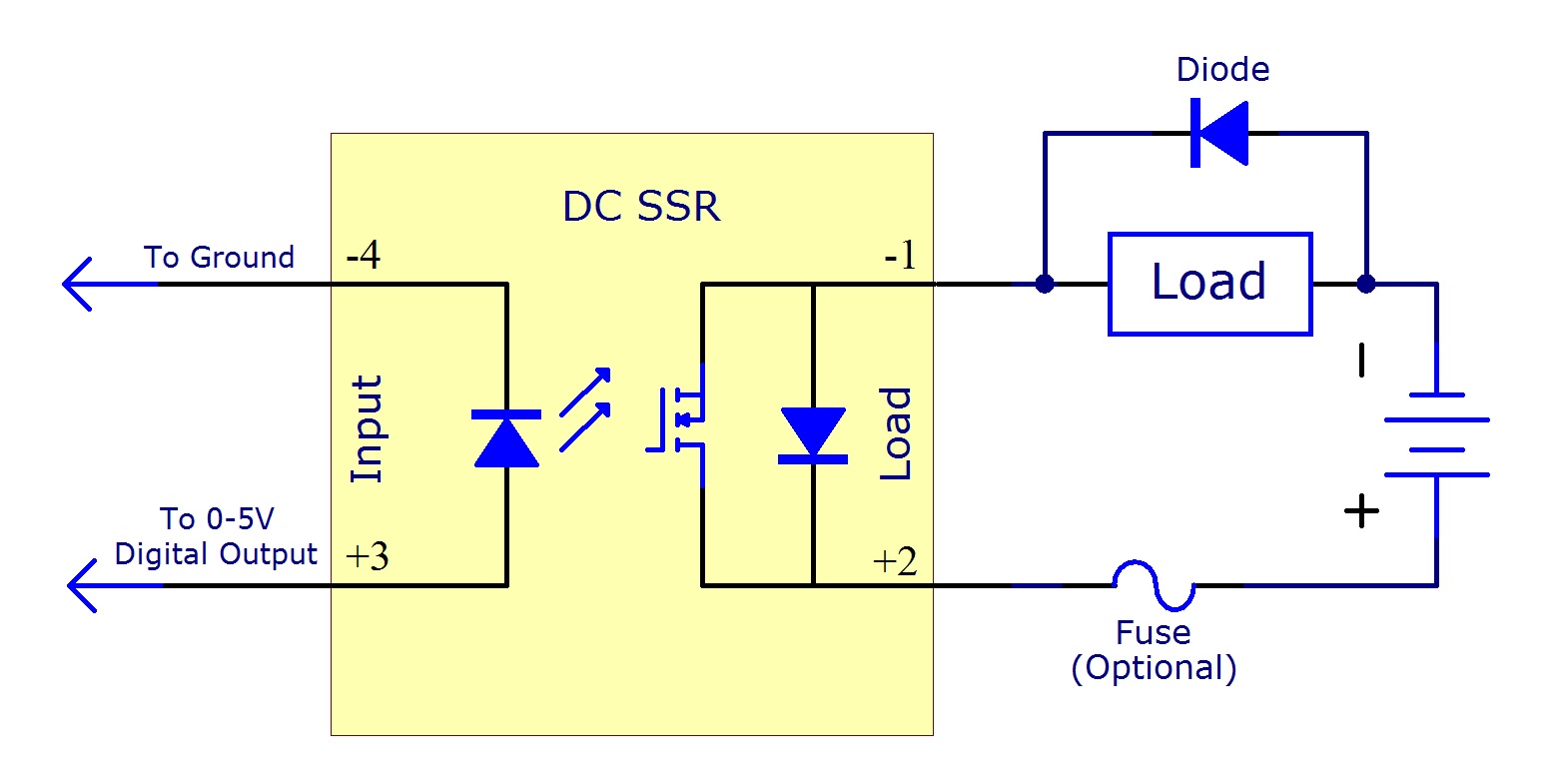
Understanding solid state relay diagram improves accurate circuit design skills

Solid State Relays (SSRs) are fundamental components in modern electronic and industrial systems. Understanding their diagrams is not just technical knowledge it is a skill that enhances circuit design accuracy, efficiency, and reliability. Mastering SSR diagrams empowers engineers and technicians to design precise, safe, and high-performing circuits.

What is a Solid State Relay Diagram?

A solid state relay diagram is a schematic representation of how an SSR operates within a circuit. Unlike mechanical relays, SSRs use semiconductor devices to switch electrical loads without moving parts. Diagrams typically display the input trigger, isolation components, and output load connections, providing a visual roadmap of signal flow. A clear solid state relay diagram improves system understanding.

Key Elements of SSR Diagrams

  • Input Section – Illustrates how low-voltage control signals activate the SSR.
  • Opto-Isolation – Represents the separation between input and output for safety and noise reduction.
  • Output Switching – Shows the semiconductor switches that control high-voltage loads.
  • Indicator Signals – Optional LEDs or monitoring points that signal relay status.

Understanding these elements ensures that circuits are correctly connected, preventing errors and enhancing reliability.

Benefits of Studying SSR Diagrams

  • Enhanced Design Accuracy – Knowing how each component interacts allows for precise circuit layouts and proper load handling.
  • Improved Safety – Correct interpretation of opto-isolation and load connections reduces the risk of electrical hazards.
  • Faster Troubleshooting – Clear diagrams make it easier to identify faulty connections or misconfigured components.
  • Optimized Performance – Proper understanding ensures the SSR operates efficiently, extending the lifespan of both the relay and the connected devices.

Practical Tips for Leveraging SSR Diagrams

  • Start with Basic Circuits – Familiarize yourself with simple SSR setups before moving to complex applications.
  • Use Color-Coded References – Highlight input, output, and isolation sections for better visual clarity.
  • Simulate Before Implementation – Virtual testing can prevent costly mistakes and reinforce diagram understanding.
  • Regularly Review Standards – Electrical standards evolve; staying updated ensures designs are compliant and safe.

Why Diagram Mastery Matters

Mastering SSR diagrams is more than a technical requirement it is a cornerstone of efficient and reliable circuit design. Engineers who understand the flow of signals, isolation mechanisms, and switching actions can confidently create circuits that perform consistently under varied conditions. This knowledge also fosters innovation, as designers can adapt and optimize SSRs in new and creative ways.

Conclusion

Understanding solid state relay diagrams directly improves circuit design skills, safety, and efficiency. By studying key elements, following practical tips, and consistently applying this knowledge, engineers and technicians can achieve accurate, reliable, and high-performing circuits. Embracing this expertise is a significant step toward mastering modern electrical and industrial design practices.

Professional home builders provide seamless construction from start to finish

Creating a dream home is more than just bricks and mortar it is about bringing visions to life with precision, care, and expertise. Professional home builders auckland ensure that every project, from the initial concept to the final inspection, is handled seamlessly, delivering homes that combine functionality, style, and comfort.

Expert Planning and Design

  • Customized Home Designs: Professional builders collaborate closely with homeowners to create designs that reflect personal tastes while maximizing space and efficiency.
  • Innovative Solutions: Incorporating the latest architectural trends and construction technologies ensures homes are modern, energy-efficient, and long-lasting.
  • Detailed Project Planning: Every step is carefully mapped, including timelines, budgets, and materials, guaranteeing a smooth workflow from start to finish.

Quality Craftsmanship

  • Skilled Construction Teams: Highly trained builders and craftsmen ensure each aspect of construction meets strict quality standards.
  • Attention to Detail: From foundation laying to final finishes, meticulous attention ensures every element is flawless.
  • Durable Materials: Selecting high-quality materials guarantees homes withstand time, weather, and daily living without compromising aesthetics.

Streamlined Communication

  • Transparent Updates: Homeowners receive regular progress reports, maintaining clarity and trust throughout the construction process.
  • Collaborative Approach: Builders work with designers, engineers, and subcontractors to solve challenges proactively and keep projects on schedule.
  • Responsive Support: Professional teams address questions and concerns quickly, reducing stress and fostering confidence in the build.

On-Time and On-Budget Delivery

  • Efficient Scheduling: Advanced project management techniques ensure milestones are met without unnecessary delays.
  • Budget-Friendly Strategies: Careful cost planning and sourcing of materials prevent unexpected expenses while maintaining superior quality.
  • Seamless Coordination: Builders manage all aspects of construction, eliminating gaps between phases and ensuring a smooth transition from design to completion.

Post-Construction Care

  • Final Inspections: Every home undergoes thorough quality checks to confirm structural integrity and finish excellence.
  • Homeowner Orientation: Guidance on maintenance and usage ensures homeowners feel confident in their new space.
  • Long-Term Support: Many builders offer warranties or follow-up services, creating lasting relationships beyond project completion.

Creating Homes That Inspire

Professional home builders focus not only on construction but also on creating spaces that inspire. Their expertise ensures homes are practical, beautiful, and tailored to each family’s lifestyle. With seamless management, skilled craftsmanship, and clear communication, homeowners can enjoy the excitement of a new home without stress or uncertainty.

Choosing professional home builders guarantees a journey that is smooth, efficient, and rewarding transforming ideas into stunning realities with ease and confidence.

Build Plant-Focused Retail Platforms Using Organized Data Systems

Creating a plant-focused retail platform that thrives requires more than just offering high-quality plants it depends on using organized data systems to streamline operations, enhance customer experience, and support business growth. Leveraging data intelligently allows retailers to make informed decisions, optimize inventory, and ensure that plants reach customers in their healthiest condition.

Centralizing Plant Information

  • Comprehensive Plant Profiles – Maintain detailed information about each plant species, including care requirements, growth patterns, and preferred environmental conditions.
  • Digital Cataloging – Organize plant data in an easy-to-access digital system to quickly locate details on availability, pricing, and stock levels.
  • Consistent Data Standards – Standardized descriptions, measurements, and classifications help prevent errors and miscommunication across teams.

Optimizing Inventory Management

Garden Centers

  • Real-Time Stock Tracking – Monitor inventory continuously to avoid overstocking or shortages.
  • Forecasting Demand – Use historical sales data to predict which plants are most popular during different seasons.
  • Efficient Restocking – Automated alerts ensure that popular or fast-moving plants are replenished promptly.

Enhancing Customer Experience

  • Personalized Recommendations – Organized data enables suggestions based on customer preferences, purchase history, or plant compatibility.
  • Clear Plant Information – Providing accurate care instructions and growth expectations helps customers make informed decisions.
  • Interactive Tools – Data-driven platforms can include filters and search functions to help customers find the perfect plant for their space.

Streamlining Operational Workflows

  • Task Automation – Automate routine processes such as order tracking, labeling, and reporting to free up staff time.
  • Integrated Communication – Centralized data ensures that all departments have access to the same information, reducing errors.
  • Performance Monitoring – Track metrics such as sales, customer satisfaction, and plant health to improve operational efficiency.

Leveraging Analytics for Growth

  • Identifying Trends – Analyze sales and customer behavior to understand popular plant types and emerging demands.
  • Optimizing Marketing Strategies – Target promotions and campaigns based on data insights to attract more plant enthusiasts.
  • Continuous Improvement – Regularly review analytics to refine inventory, pricing, and platform features.

Benefits of Organized Data Systems

  • Improved Plant Care – Detailed records support healthier plants by ensuring they receive proper attention and environmental conditions.
  • Enhanced Customer Satisfaction – Accurate, accessible information creates trust and encourages repeat purchases.
  • Operational Efficiency – Organized data reduces errors, saves time, and simplifies management tasks.
  • Scalable Growth – Data-driven platforms can easily adapt to expand offerings, enter new markets, or accommodate increased demand.

Building a plant-focused retail platform with organized data systems empowers businesses to deliver exceptional plant quality, seamless customer experiences, and strong operational performance. Botanical plant photos enhance plant identification apps, allowing users to match specimens with verified images quickly. By centralizing plant information, optimizing inventory, leveraging analytics, and automating workflows, retailers can cultivate both healthy plants and loyal customers, creating a thriving, sustainable retail ecosystem.